





Baseball collectibles occupy a unique position in sports memorabilia simultaneously representing cultural history, athletic achievement, and financial investment. Items that once seemed disposable now command prices that astound casual observers. Understanding collectible value separates casual fans purchasing souvenirs from serious collectors who recognize appreciation potential.
The most valuable baseball collectibles often originated as ordinary items simple trading cards, game-worn uniforms, or autographed baseballs. What transformed these ordinary items into valuable collectibles was scarcity combined with historical significance. MLB collectible markets reward investors who understand rarity, condition, and authenticity factors that determine value.
Vintage Baseball Cards as Investment Vehicles
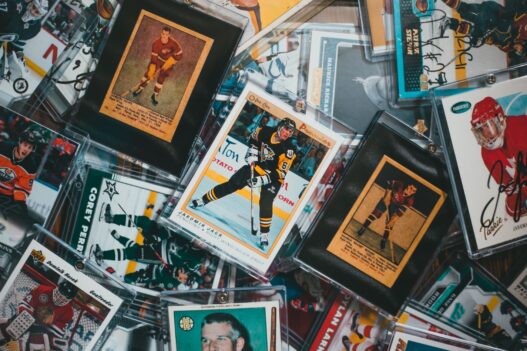
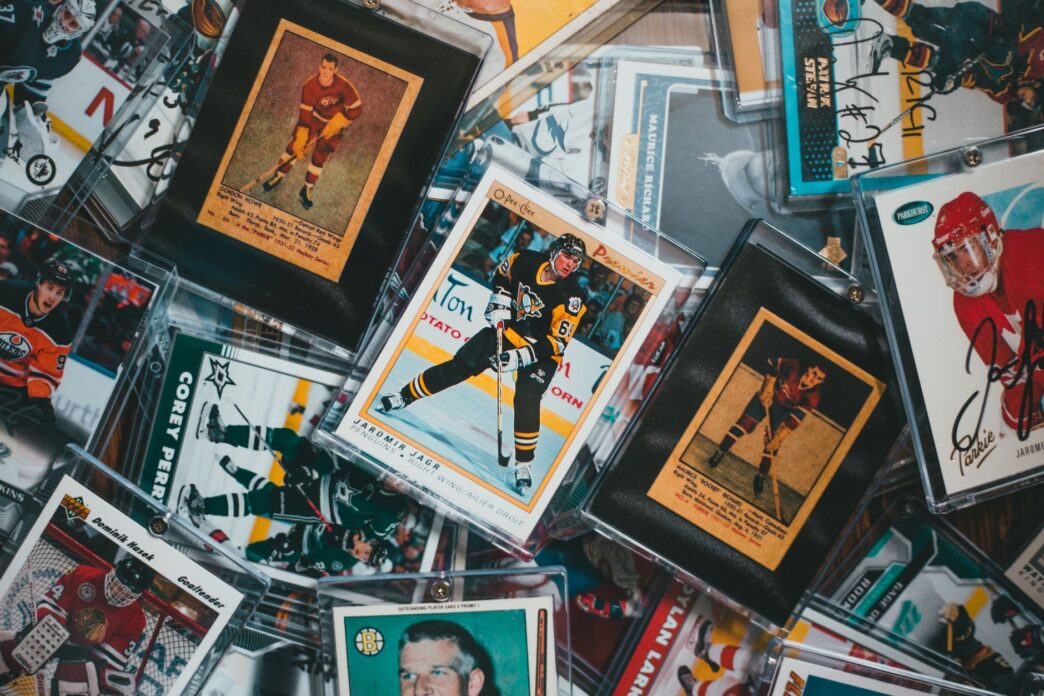
Early baseball trading cards from the 1950s and 1960s represent some of sports memorabilia’s most valuable collectibles. A single Mickey Mantle rookie card in excellent condition sold for $5.2 million, making it one of the most expensive sports cards ever. These astronomical prices reflect extreme scarcity combined with historical significance.
Understanding card values requires learning grading standards that professional services use to rate condition. A card graded as mint condition sells for exponentially more than the same card in good condition. MLB collectors spend thousands learning these distinctions, building collections that they expect will appreciate.
Modern cards rarely achieve the values of vintage cards newly printed cards flood markets, preventing scarcity that drives vintage appreciation. Serious collectors focus on limited-edition releases from established manufacturers, recognizing that oversupplied sets retain little value despite initial excitement.
Game-Worn Equipment and Uniforms
Uniforms and equipment worn during significant games attract collector premiums for their tangible connection to athletic achievements. A uniform worn during a historic game connects collectors to moments they watched unfold, capturing athletic excellence in physical form.
Authentication remains critical when collecting game-worn items. Professional authentication services verify items actually were worn during specific games, protecting collector investment. MLB provides certificates of authenticity for officially sanctioned game-worn merchandise.
Equipment worn during historic moments championship-winning games, no-hitters, or milestone achievements commands premium prices reflecting historical significance. Collectors understand that game-worn items connect them to baseball history, making the investment worthwhile despite substantial costs.
Signed Baseballs and Autographed Memorabilia
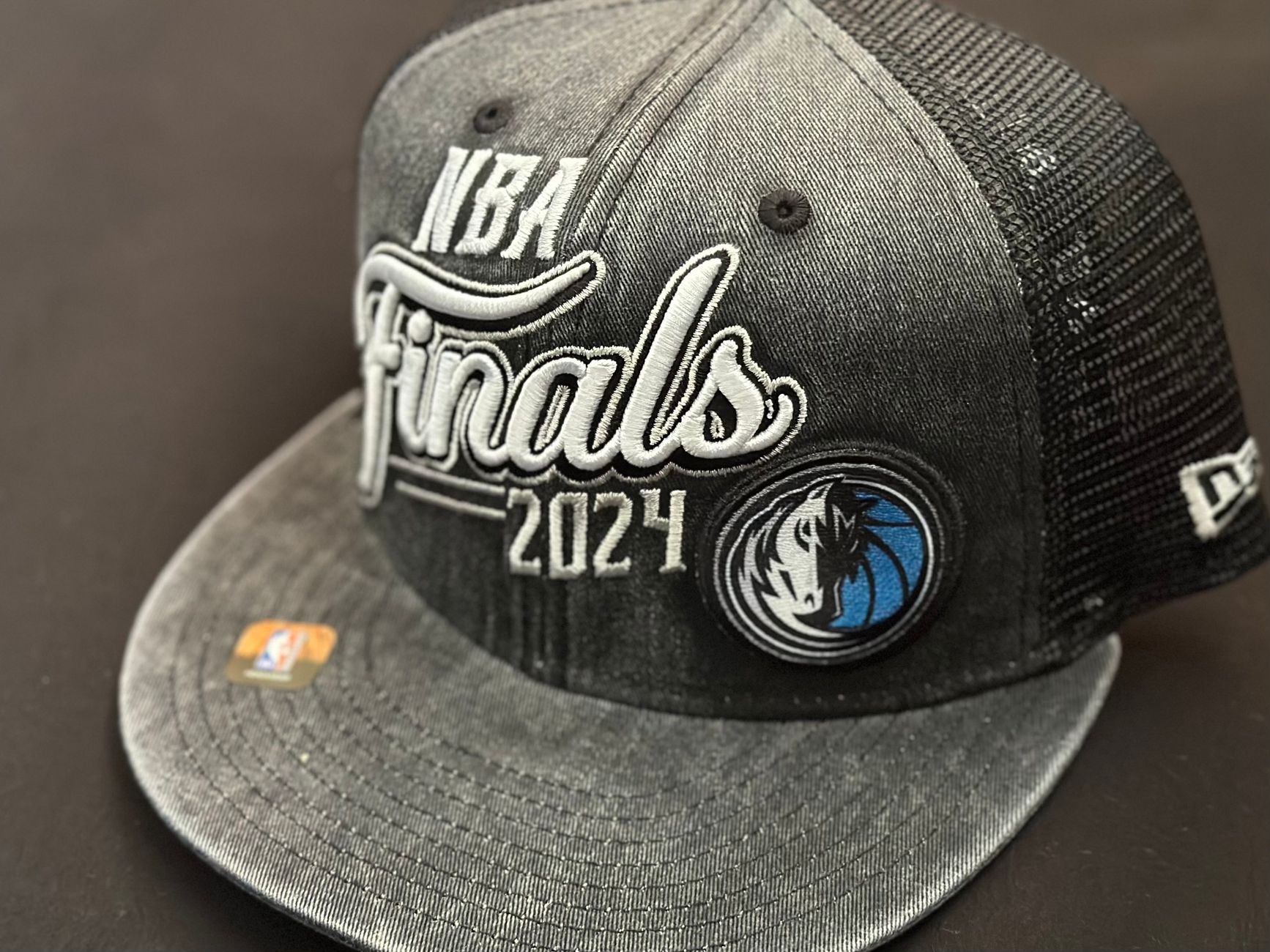
Autographed baseballs and equipment represent accessible entry points to significant collectible investing. Signatures from Hall of Famers, legendary managers, and iconic players appreciate as signers age and availability decreases. Smart collectors acquire signatures from aging athletes, recognizing that future scarcity drives value.
MLB memorabilia authenticated by major grading companies maintains value as markets recognize authentication importance. Items lacking authentication from trusted services lose credibility, commanding discounted prices from skeptical buyers. Building valuable signed collections requires purchasing from reputable sources with authentication guarantees.
Collectors who focus on players early in their fame often capture appreciation that rivals stock market returns. A signature acquired inexpensively from a young player who later becomes a Hall of Fame lock may appreciate hundreds of percent as demand increases and availability decreases.
Limited-Edition Collectible Sets and Releases
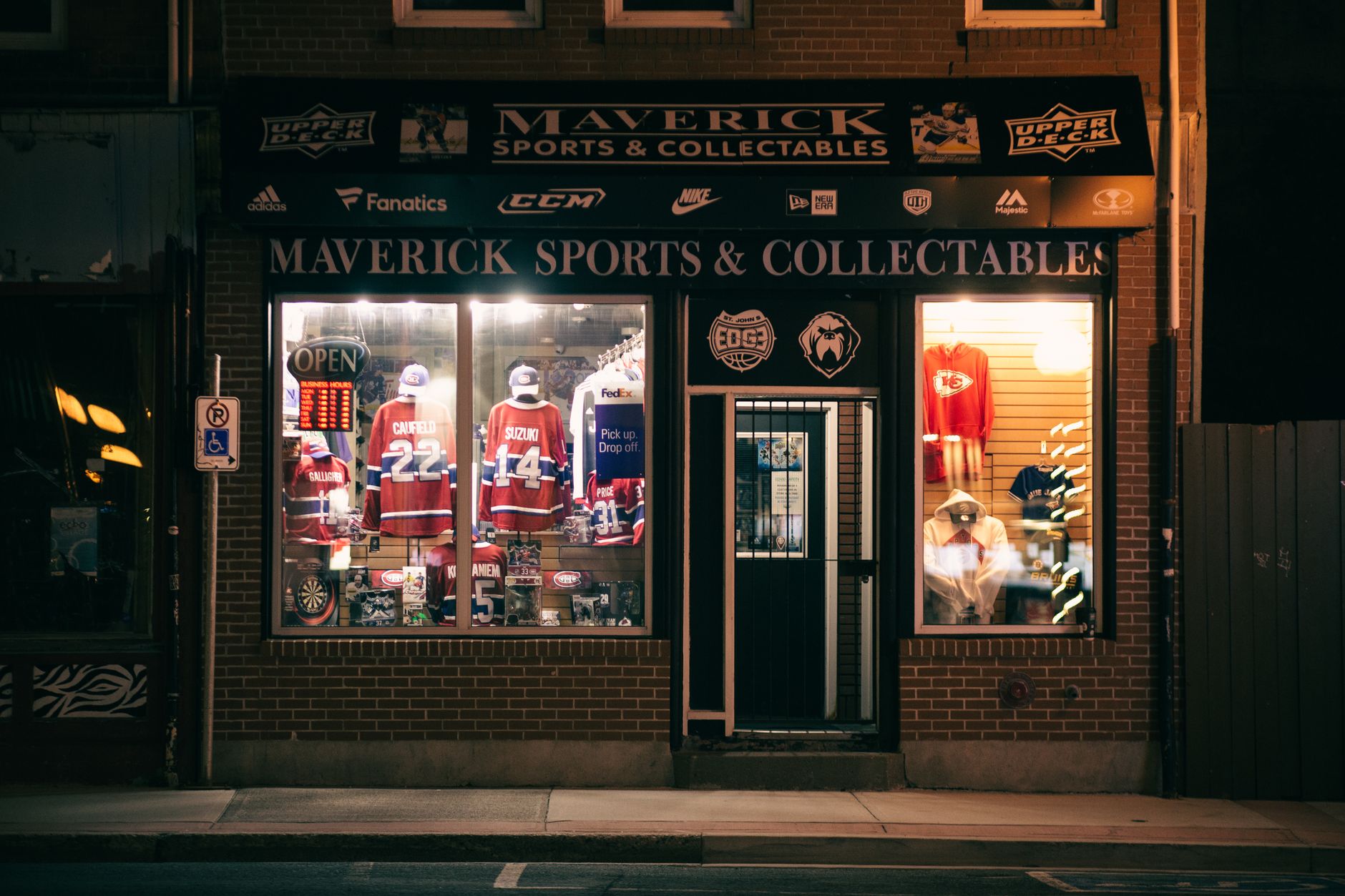
Manufacturers occasionally release limited-edition baseball card or memorabilia sets marketed as collectibles with restricted production quantities. These releases attract collector interest based on scarcity and exclusive designs unavailable through standard channels.
Understanding what drives real scarcity versus artificial scarcity created through marketing separates wise investments from speculative purchases. Cards printed in millions despite limited-edition marketing language rarely appreciate. MLB officially released sets with documented low production numbers maintain collector value better than oversupplied releases.
Serious collectors research production quantities and market demand before investing heavily in new releases. Items marketed as limited-edition but printed in huge quantities disappoint as prices decline rather than appreciate. Building valuable collections requires distinguishing genuine collectible potential from marketing hype.
Historical Ephemera and Rare Documents
Baseball tickets, programs, and handwritten documents from historic games represent rare items attracting specialist collectors. A ticket from the first game ever played at a stadium or autographed program from a legendary athlete’s farewell game commands premium prices from collectors.
- Original World Series tickets from historic championships appreciate substantially as documents become rarer.
- Handwritten contracts signed by legendary players connect collectors to baseball history.
- Stadium opening day programs document architectural history and baseball evolution.
- Autographed letters from Hall of Famers provide unique connections to legendary careers.
Collectors who specialize in ephemera understand that scarcity alone drives value damaged condition matters less when items exist in only hundreds of copies worldwide. A worn-out program from a historic event might appreciate from an initial value of a few dollars to hundreds of dollars as interest increases and supply shrinks.
Building Valuable Collections Through Research
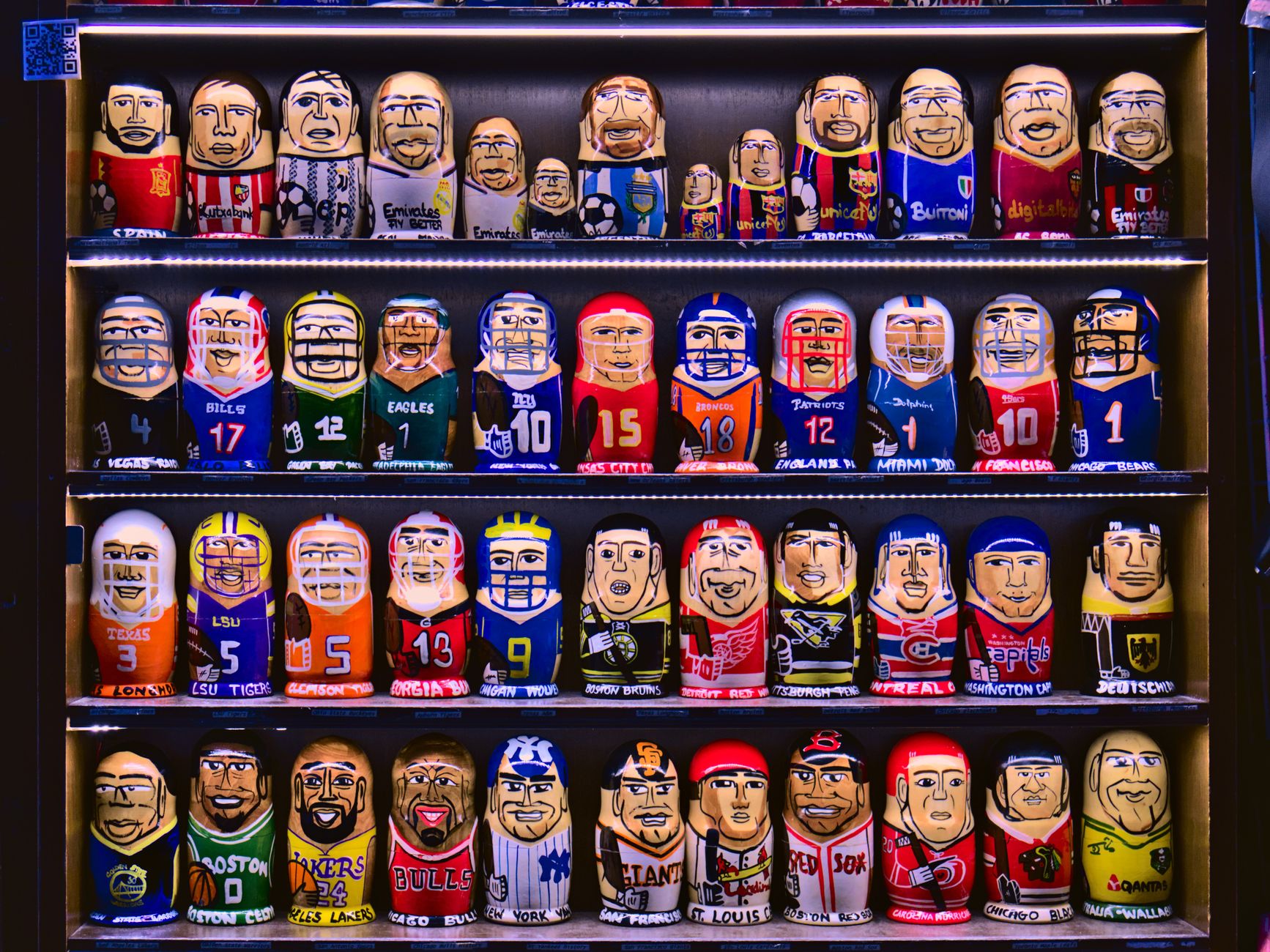
Successful collectible investing requires understanding market dynamics, authentication standards, and rarity factors. MLB collectors who educate themselves about grading systems, production quantities, and historical significance build valuable collections that appreciate over time.
Patience to hold collectibles for years or decades distinguishes serious investors from speculators chasing quick profits. The most valuable collections reflect decades of careful acquisition, focusing on items with genuine scarcity and long-term appreciation potential. Smart collectors recognize that quality always appreciates while hype-driven purchases eventually disappoint.